
Artist Spotlight: Rocky Reed
A closer look at Rocky Reed’s newest works in our Figural Show—exploring his process, perspective, and the thoughtful craftsmanship behind each finished piece.
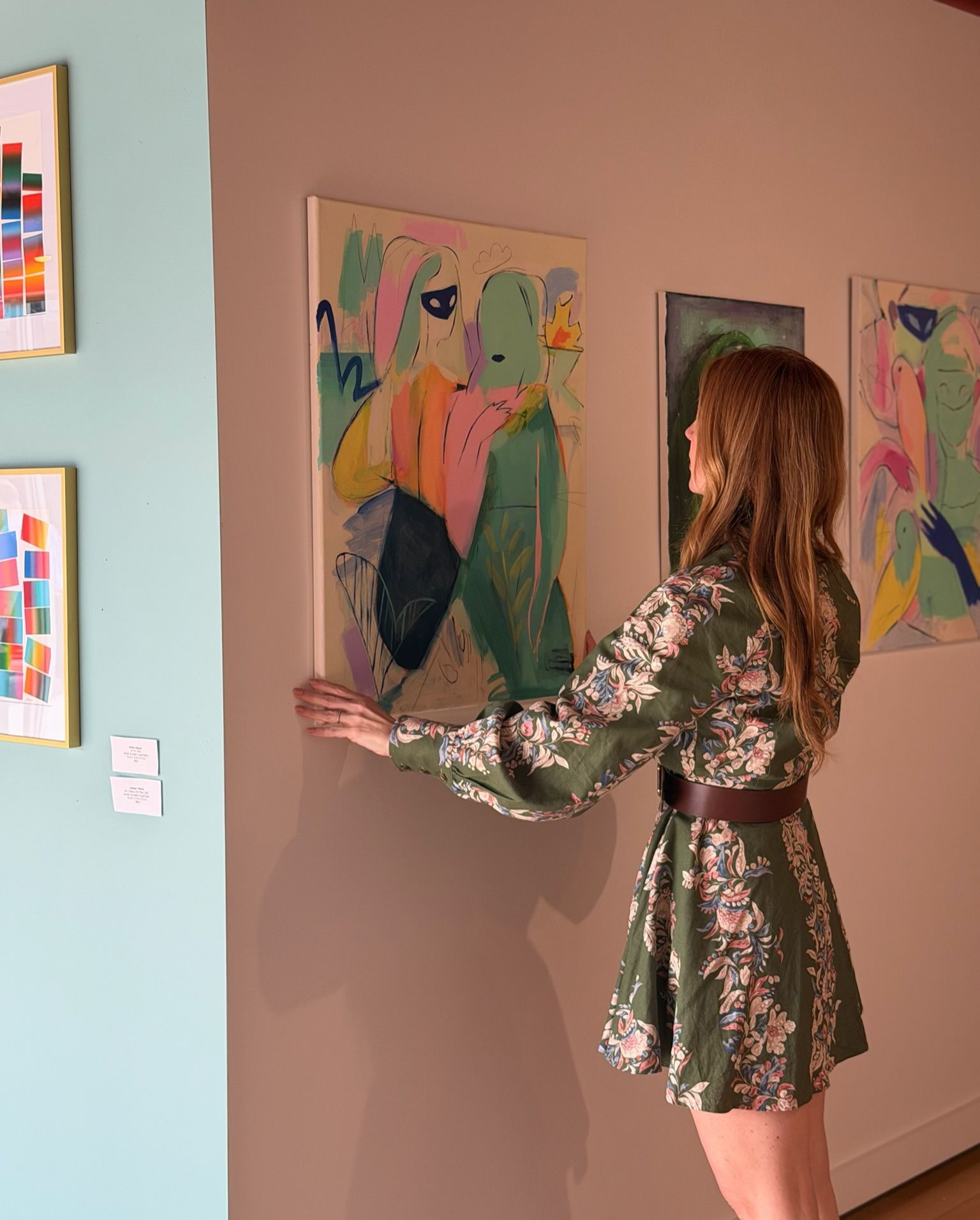
After installing our new show, I found myself especially drawn to the new figures in Rocky’s work. Curious about their evolution, I reached out to him and he generously shared not only the inspiration behind them, but a glimpse into his creative process as well. Rocky’s latest collection is now live, featuring six new pieces each distinctly different, yet unmistakably his.
As a Des Moines resident, Rocky Reed currently paints contemporary realist pieces, featuring still lifes, plein air, portrait, and figurative subjects. Rocky makes an effort to impart a sense of poetry, technical bravura, and presence to his paintings. He selects subjects and compositions based on complexity, variety, and compelling visual relationships. He also typically renders in vegan materials when painting, such as vegan-friendly paints/pigments, glues, and supports.
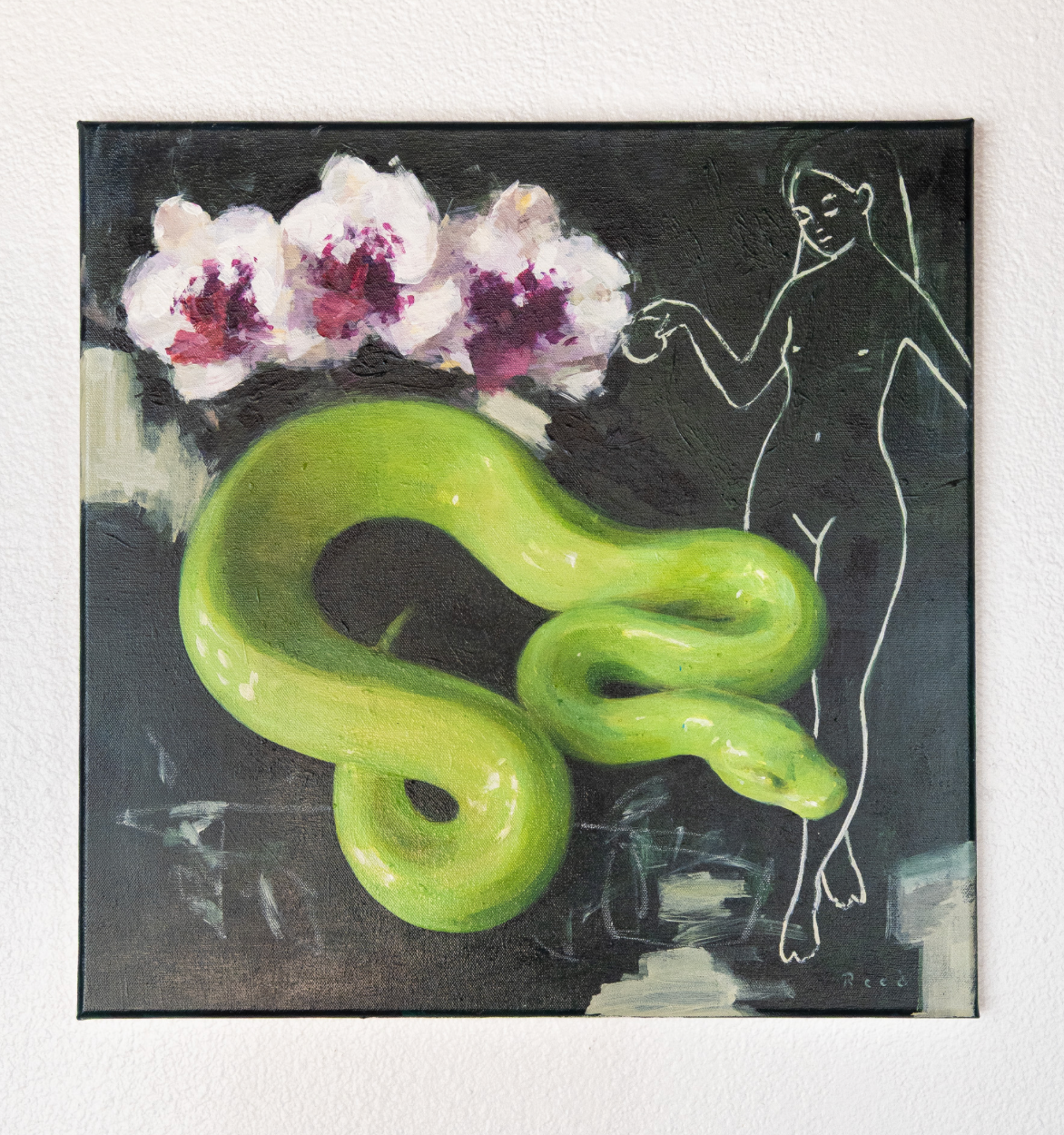
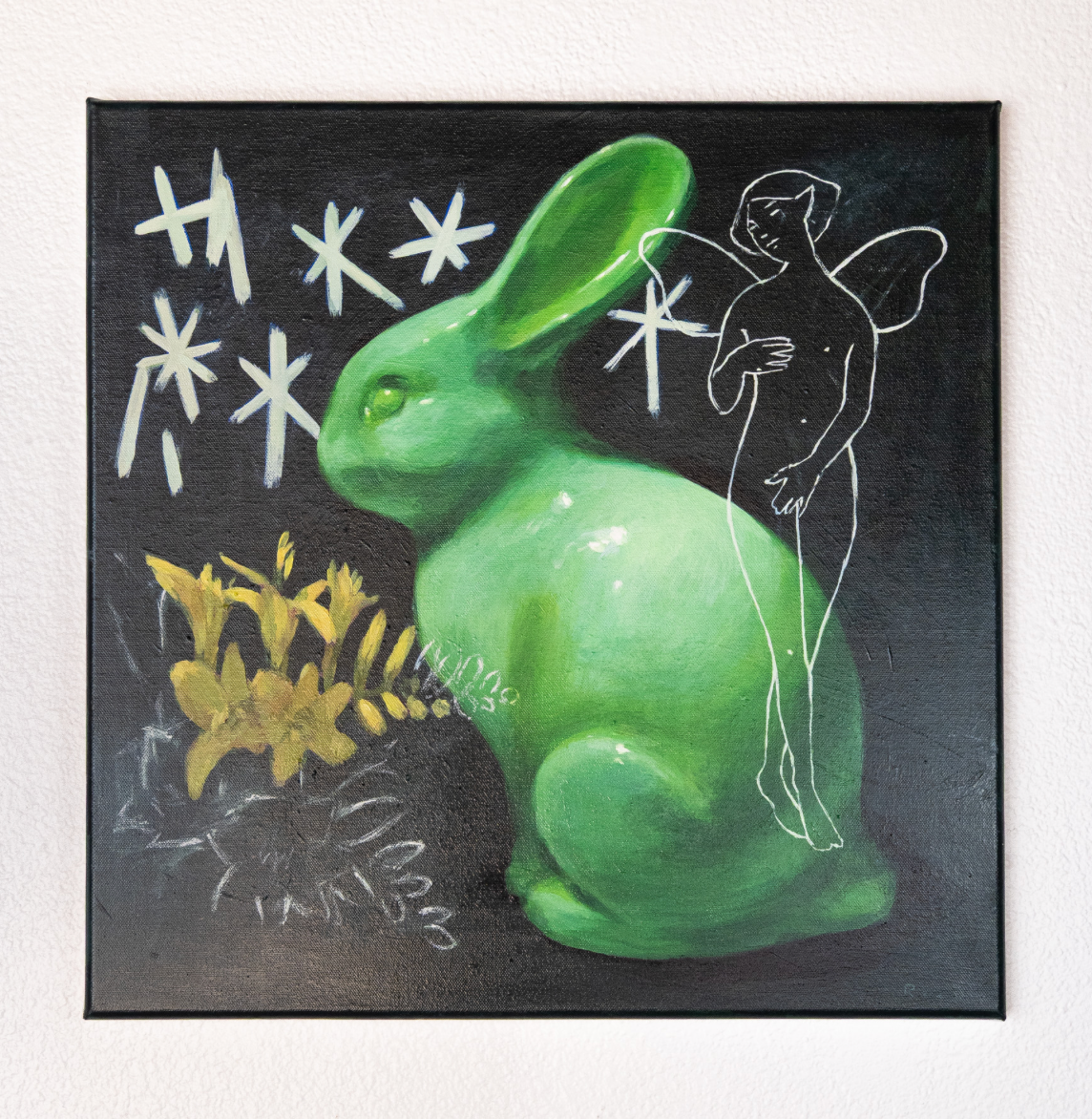
"I usually use vine charcoal, dry pastel, and pencil on paper, and they're usually small (about copy paper size).The three green ceramic figure pieces come from a series I worked on last year. I was exploring the aesthetics of slate chalkboards, building up textures to mimic the quality of overwritten marks. At the same time I wanted to work on painting complex porcelain subjects, and use the painting medium to give them a surreal, uranium glass texture. Garden No. 3 and No. 4 combine those ideas."
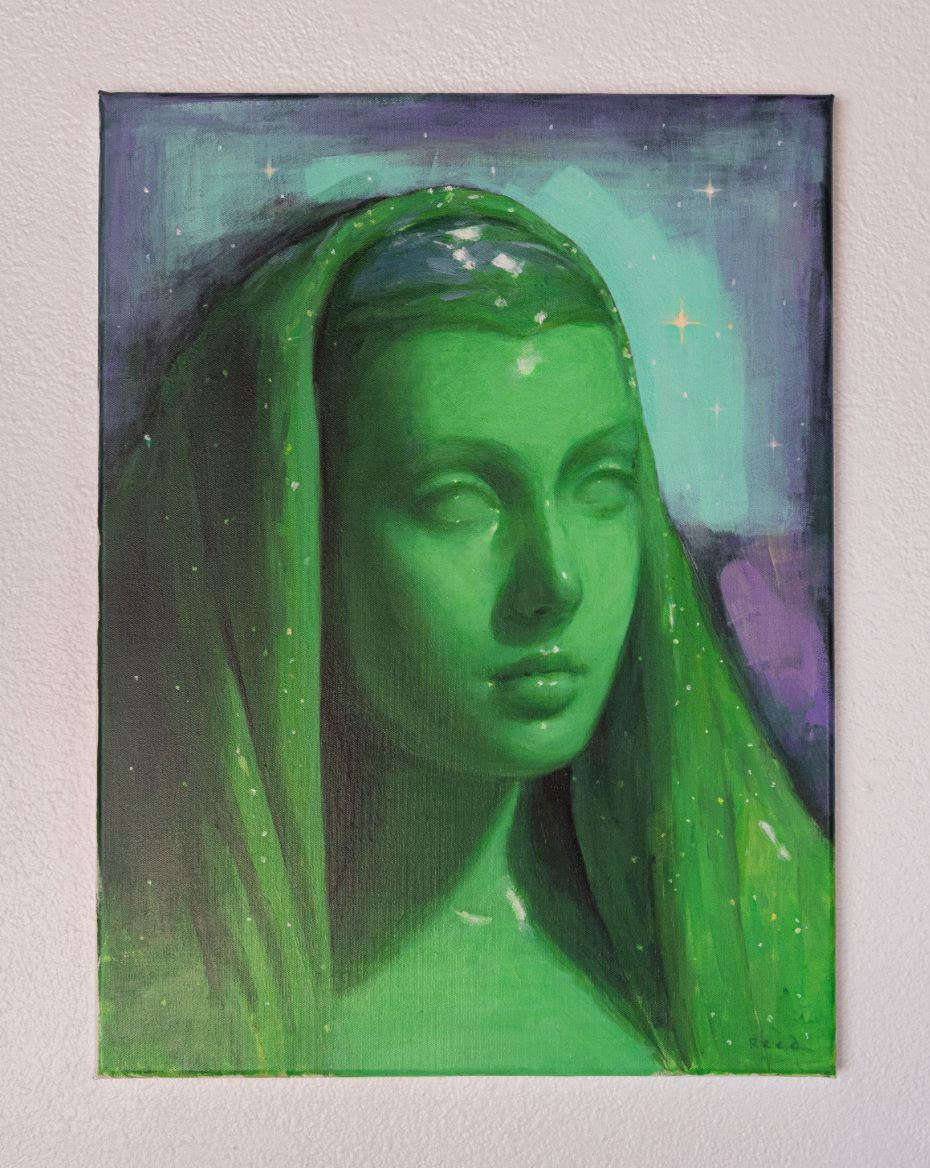
"Stargirl had a similar technical approach, but without the chalkboard aesthetic. With Stargirl I wanted to blur the line between a sculptural painting and portraiture, with a material that doesn't immediately read as either one."
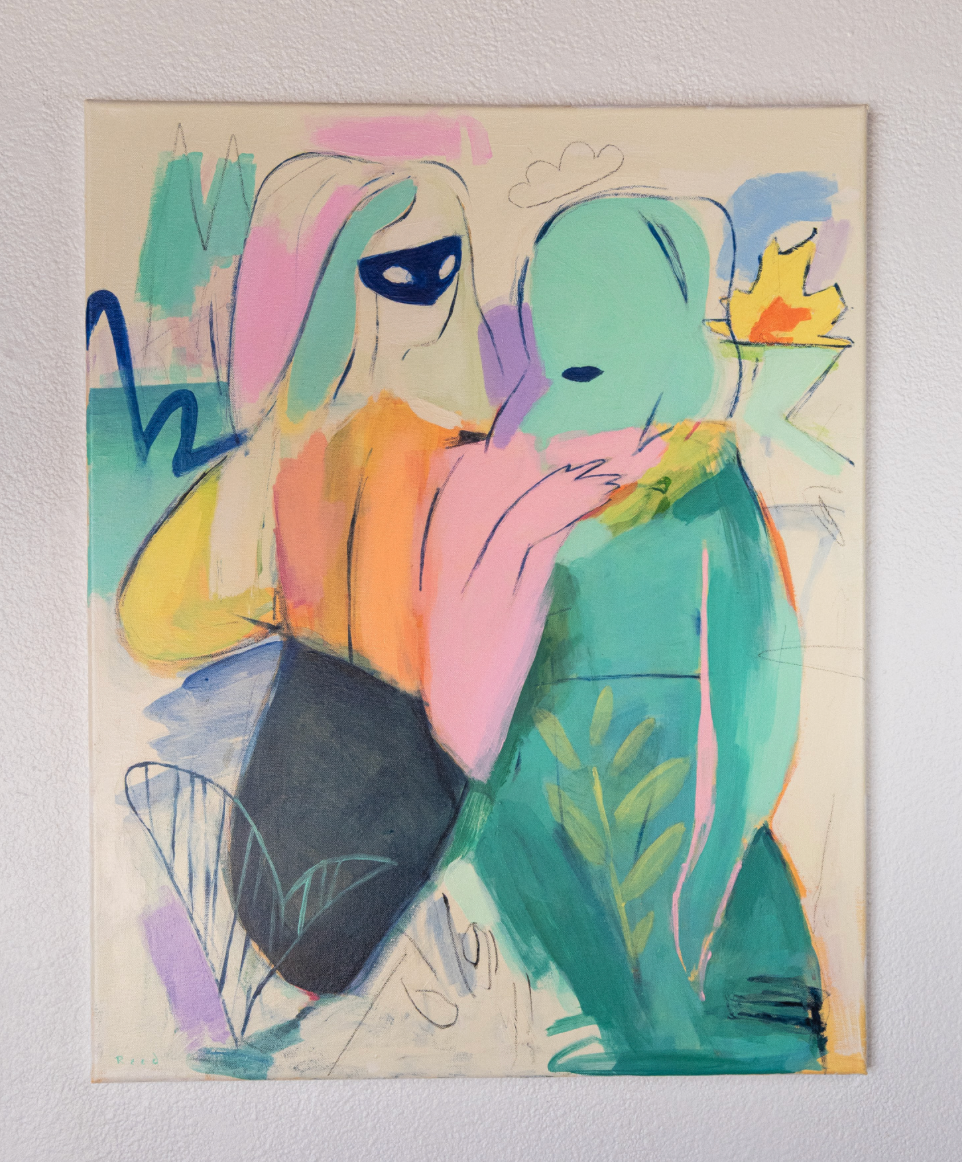
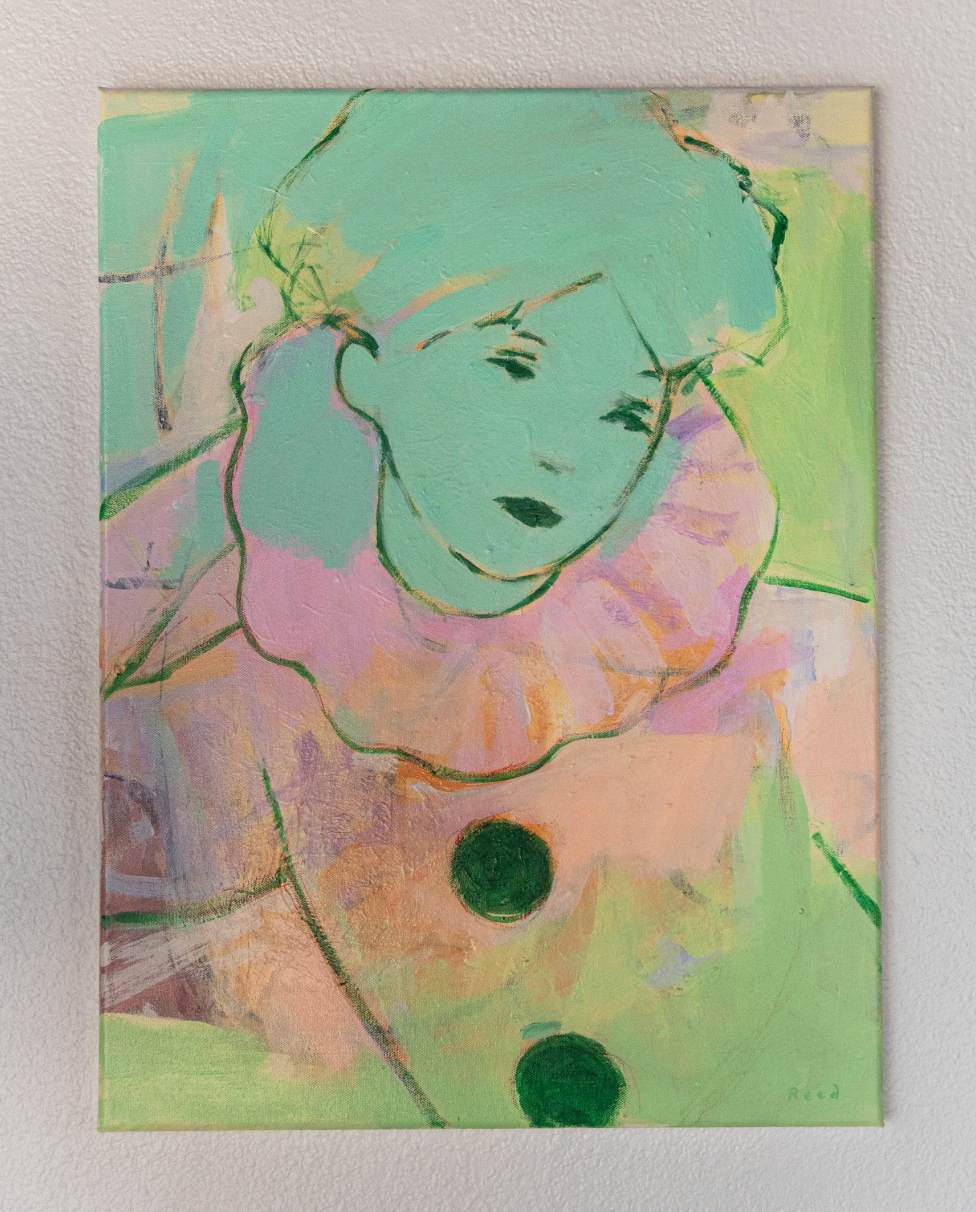
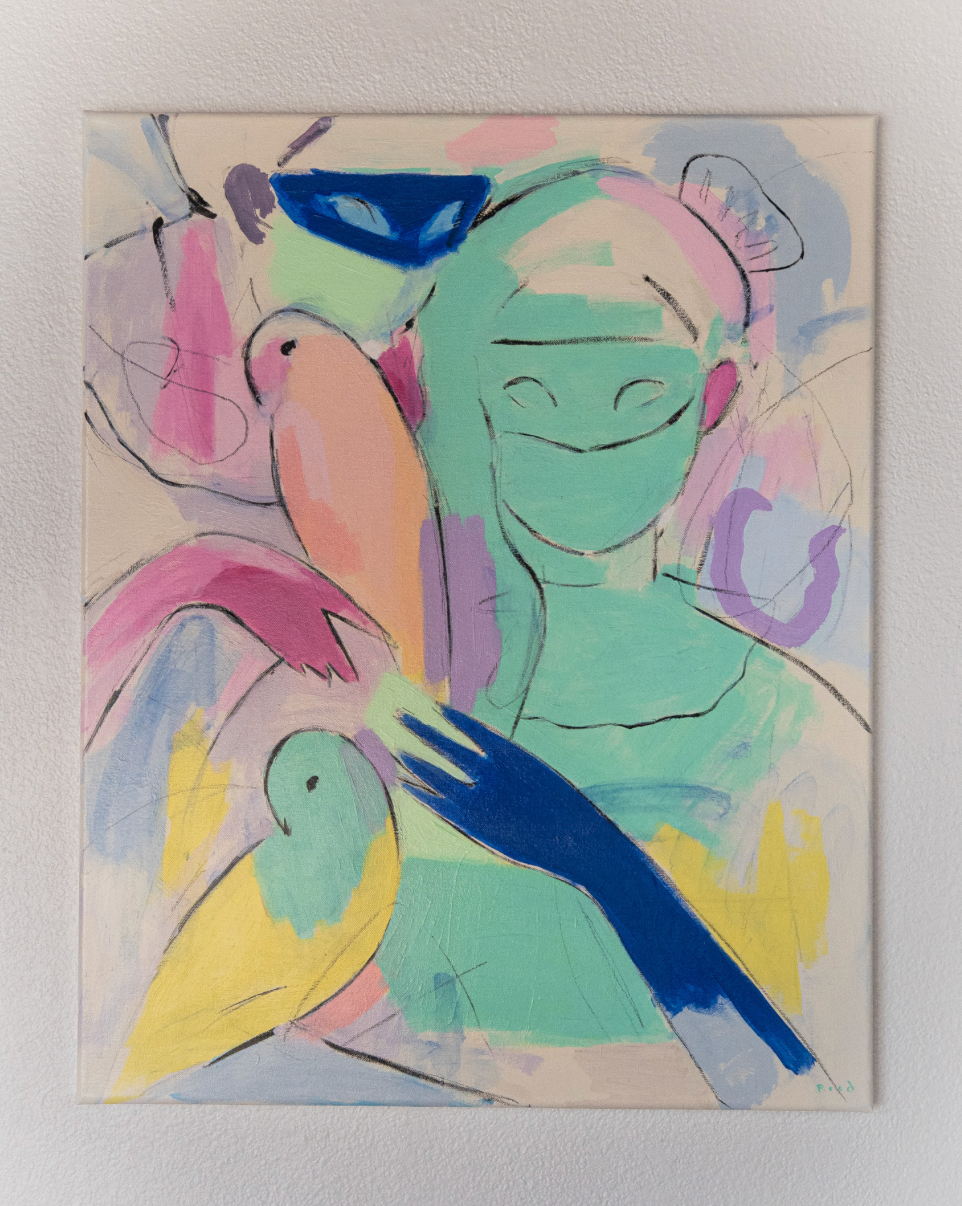
"The 3 recent pieces (Columbina, Bonfire, and Pierrette) are all using the Commedia dell'arte as subject matter. I've been studying crystal and synthetic cubism lately, and the pieces from those movements featuring Commedia characters have given me a lot of inspiration to explore them as subjects. My current process has a few stages: preliminary sketch, poster study, and final painting."
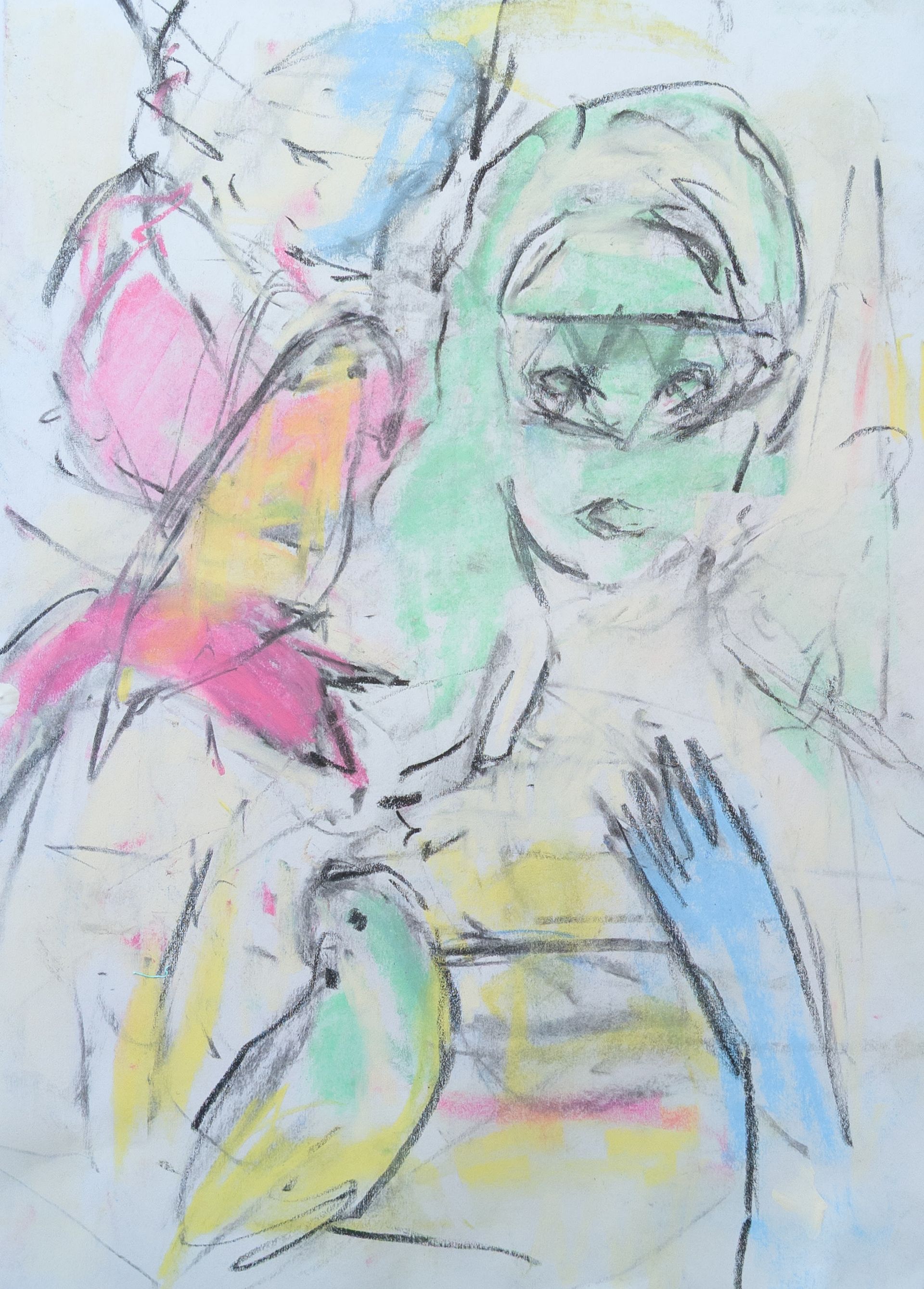
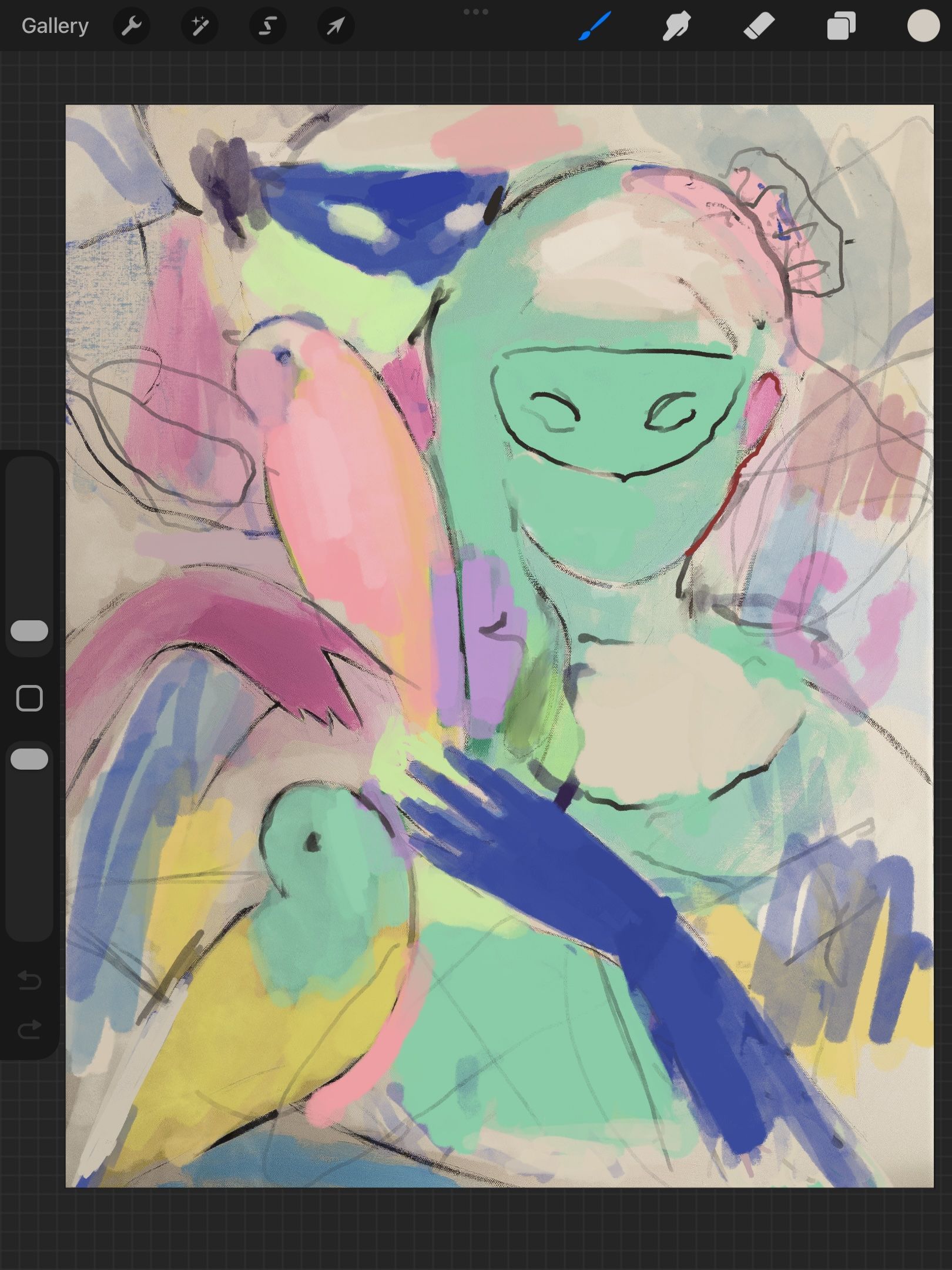
"I usually start with a small dry media sketch to develop the rough composition and palette. This step is rough, and I don't worry about accuracy or details. Next, I'll either do a small poster study painting, or a digital painting. Lately I've been doing more digital paintings for this step. I use an iPad pencil and the app Procreate for the digital mockups."
"Here I try to make sure the underlying structure is somewhat accurate to how I want the final piece to look, but I don't get too fussy with smaller details. Sometimes I'll do a charcoal drawing on the final canvas and use a photo of that as the starting point for the digital piece, which is what I did with Columbina. Next, I'll do the final painting. For Columbina, this process was to transfer the underlying drawing to the large canvas, and rendering the painting while making various changes."
"If I want to make a change to the painting I'll often switch back to the digital painting or poster study and try the change there first, so I can rapidly test things out. For my canvas, I start with either a solid tone or washed tone with a rag. I use vine charcoal for my underlying drawing. Then I usually use acrylic and oil paints, with china markers for more permanent underlying drawing and for gestural marks."